Canada Day has a way of making you notice things you normally walk right past. The flag goes up. The fireworks come out. And somewhere in your pocket, there are a few coins you’ve probably handled a hundred times this week without thinking twice.
The animals on those coins didn’t get there by accident. Each one was chosen deliberately, and the stories behind them are more interesting than most people realize.
The Loonie Almost Looked Very Different
When the $1 coin launched in 1987, the plan was to carry forward the design that had been on silver dollars since 1935: a canoe on open water, a classic Canadian image. The dies were struck, packaged, and shipped to Winnipeg for production. Then they went missing in transit and were never recovered.
Faced with starting over, the Mint turned to a design that had already been submitted: a common loon on open water by artist Robert-Ralph Carmichael. Canadians liked it immediately. The coin became the loonie so fast that we now use that word to mean the dollar itself. It’s hard to imagine calling it anything else.
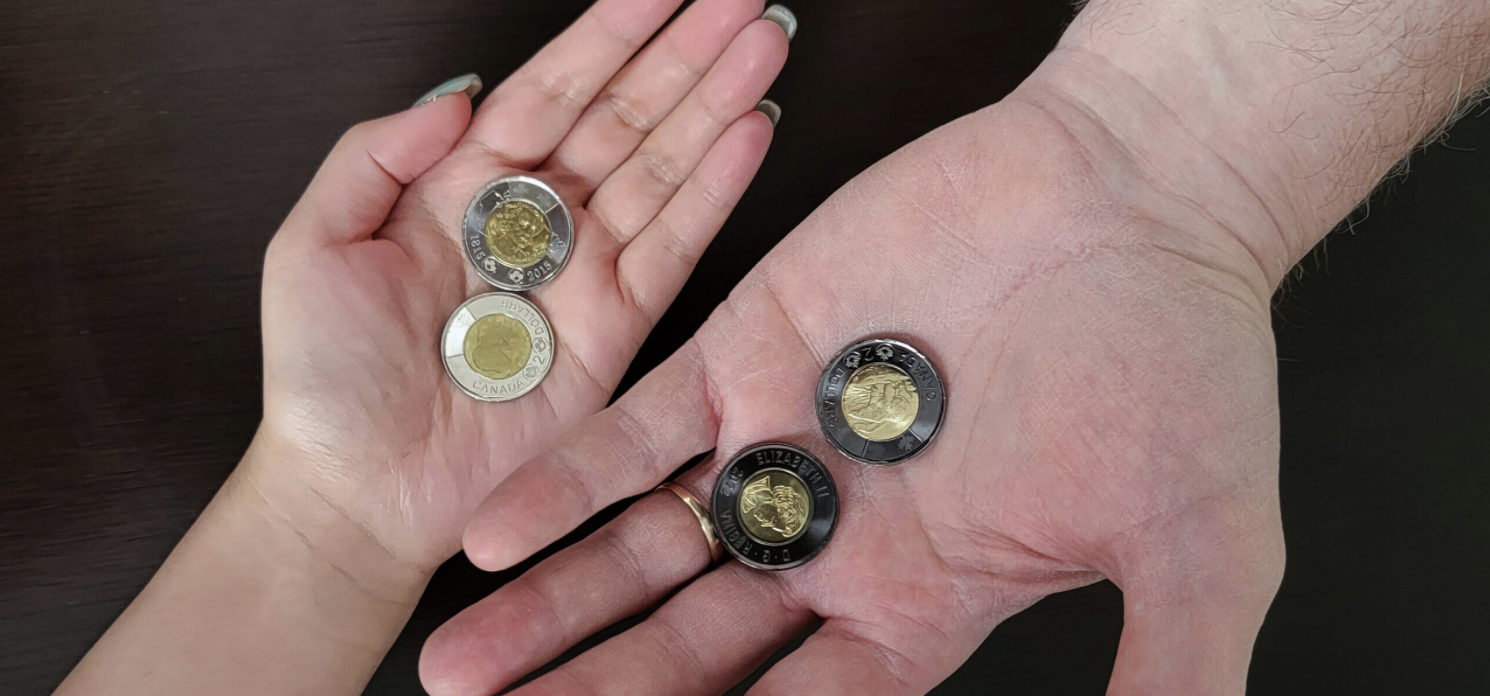
The Toonie’s Polar Bear
The $2 coin arrived in 1996, replacing the paper $2 bill, and brought the polar bear with it. Canada is one of only five countries in the world with a wild polar bear population. The largest living land carnivore, found across Manitoba, Ontario, and Nunavut, it belongs on the country’s highest-denomination circulation coin.
2026 also marks the toonie’s 30th anniversary. Thirty years is long enough that a lot of Canadians have never known a world without it.
The Caribou Quarter
The caribou has been on the Canadian quarter since 1937, making it one of the longest-running coin designs in the country’s history. It’s been temporarily swapped out over the years for commemorative designs, but always comes back.
Nearly 90 years on the same coin. That says something.
The Beaver on the Nickel
The beaver has been on the nickel since 1937 as well, and its place there reflects just how central the animal was to early Canadian history. During the fur trade, hundreds of thousands of pelts moved through Canada to European markets every year. The beaver was not just wildlife, it built the economic foundation of early Canada.
In 1975, it was formally recognized as an official symbol of Canadian sovereignty by an Act of Parliament. It’s the only coin animal to hold that designation. The others are national symbols by tradition, but the beaver made it into law.
It was briefly replaced on the nickel between 1943 and 1945 with a wartime victory emblem, then returned after the war and has been there ever since.
What These Coins Are Actually Worth
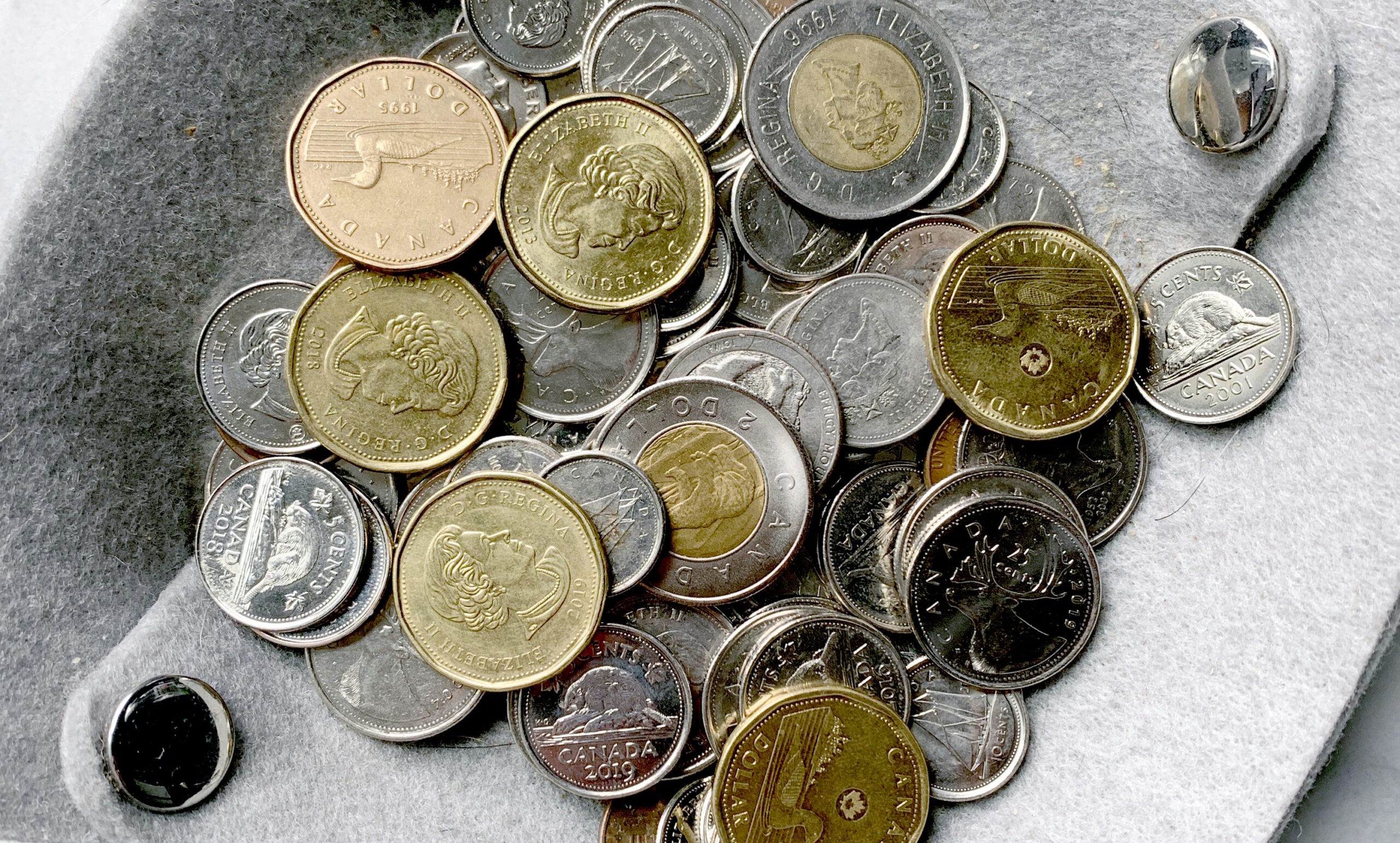
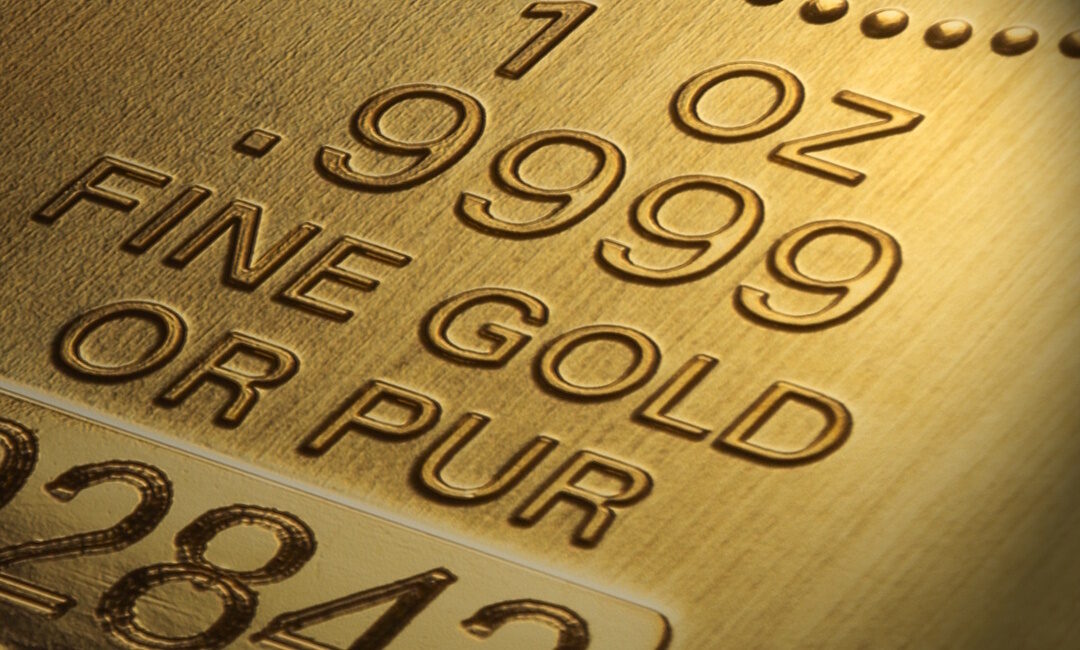
As everyday currency, a loonie is a dollar and a toonie is two. But certain years, mint marks, and uncirculated examples carry collector value beyond their face value, especially coins that never made it into everyday use. Today’s circulation coins are steel and nickel, not precious metal. Silver and gold are reserved for the collector and bullion coins the Mint produces separately. If you have inherited a coin collection or found old Canadian coins in a drawer, some of those older pieces may have real precious metal content worth looking at.
Canada Gold’s sister company, Canadian Coin and Currency, specializes in exactly this. If you’re curious about what you have, bring it in.
Happy Canada Day
These animals have been in Canadian pockets for decades. They show up in piggy banks, in jars on kitchen counters, in the bottom of old purses. They’re so familiar most people have stopped noticing them.
This July 1st, maybe take a second look.
Visit any of our locations across Canada, no appointment needed.