La Fête du Canada a le don de vous faire remarquer des choses devant lesquelles on passe habituellement sans y prêter attention. Le drapeau est hissé. Les feux d’artifice sont tirés. Et quelque part dans votre poche, il y a quelques pièces que vous avez sans doute manipulées une centaine de fois cette semaine sans y penser à deux fois.
Les animaux représentés sur ces pièces ne s'y sont pas retrouvés par hasard. Chacun d'entre eux a été choisi délibérément, et les histoires qui se cachent derrière sont bien plus intéressantes que la plupart des gens ne le pensent.
Le « loonie » a failli avoir un tout autre visage
Lorsque la pièce $1 a été lancée en 1987, l’idée était de reprendre le motif qui ornait les dollars en argent depuis 1935 : un canoë en pleine mer, une image typiquement canadienne. Les matrices ont été frappées, emballées et expédiées à Winnipeg pour la production. Elles ont ensuite disparu pendant le transport et n’ont jamais été retrouvées.
Confrontée à la nécessité de repartir de zéro, la Monnaie royale canadienne s’est tournée vers un dessin qui avait déjà été proposé : un huard commun sur une étendue d’eau libre, réalisé par l’artiste Robert-Ralph Carmichael. Les Canadiens l’ont tout de suite adopté. La pièce est si vite devenue le « loonie » que nous utilisons désormais ce mot pour désigner le dollar lui-même. Il est difficile d’imaginer l’appeler autrement.
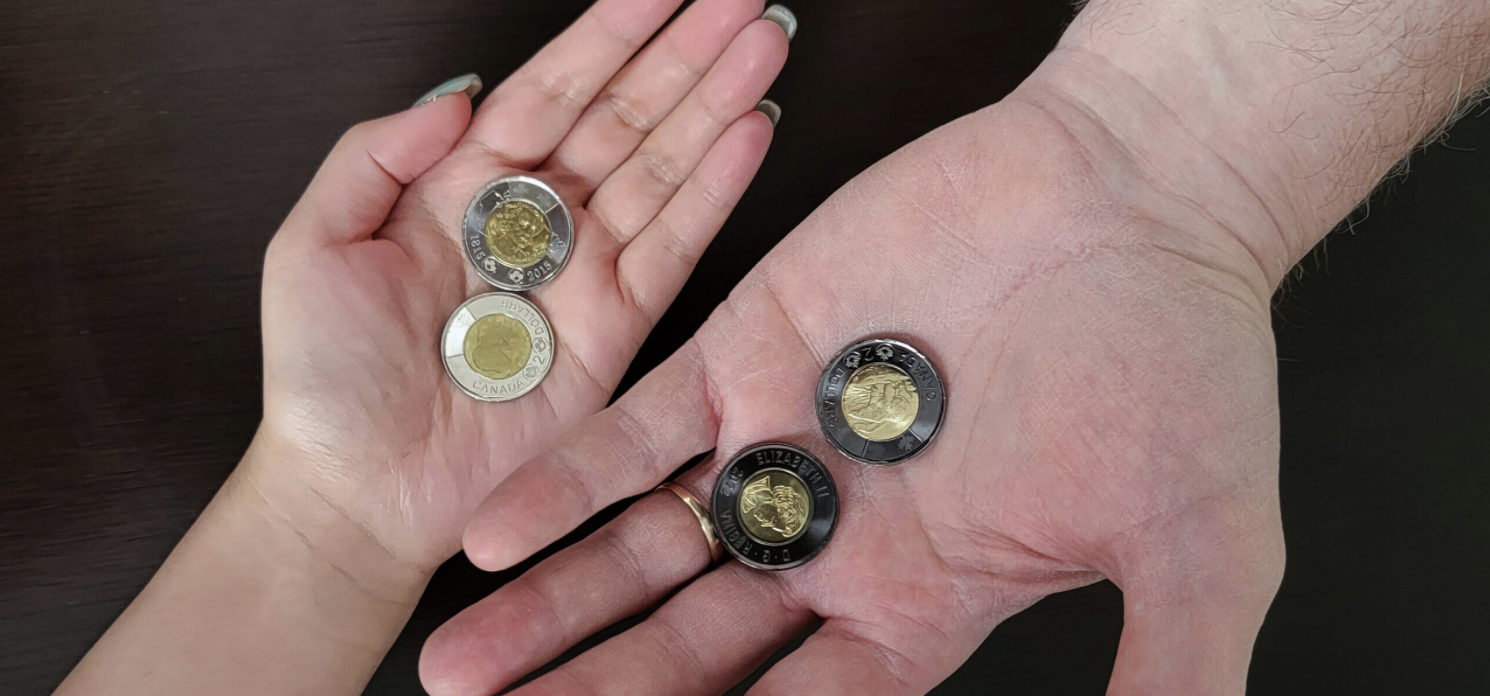
L'ours polaire de la pièce de deux dollars
La pièce de 1 TP 4 T 2 a fait son apparition en 1996, remplaçant le billet de 1 TP 4 T 2, et a ainsi introduit l'ours polaire. Le Canada est l’un des cinq seuls pays au monde à abriter une population d’ours polaires à l’état sauvage. Ce carnivore terrestre, le plus grand qui soit, que l’on trouve au Manitoba, en Ontario et au Nunavut, a toute sa place sur la pièce de circulation de plus forte valeur du pays.
L'année 2026 marquera également le 30e anniversaire de la pièce de deux dollars. Trente ans, c'est suffisamment long pour que de nombreux Canadiens n'aient jamais connu un monde sans elle.
Le quartier du Caribou
Le caribou figure sur la pièce de 25 cents canadienne depuis 1937, ce qui en fait l’un des motifs les plus anciens de l’histoire du pays. Il a été temporairement remplacé au fil des ans par des motifs commémoratifs, mais il revient toujours.
Près de 90 ans sur la même pièce. Ça en dit long.
Le castor sur la pièce de cinq cents
Le castor figure également sur la pièce de 5 cents depuis 1937, et sa présence sur cette pièce témoigne de l'importance capitale de cet animal dans les débuts de l'histoire du Canada. À l'époque du commerce des fourrures, des centaines de milliers de peaux transitaient chaque année par le Canada pour rejoindre les marchés européens. Le castor n'était pas seulement un animal sauvage : il a posé les fondements économiques du Canada naissant.
En 1975, il a été officiellement reconnu comme symbole officiel de la souveraineté canadienne par une loi du Parlement. C'est le seul animal figurant sur une pièce de monnaie à bénéficier de ce statut. Les autres sont des symboles nationaux par tradition, mais le castor a été inscrit dans la loi.
Entre 1943 et 1945, il a été brièvement remplacé sur la pièce de 5 cents par un emblème de la victoire en temps de guerre, puis réintroduit après la guerre, où il figure depuis lors.
Quelle est la valeur réelle de ces pièces ?
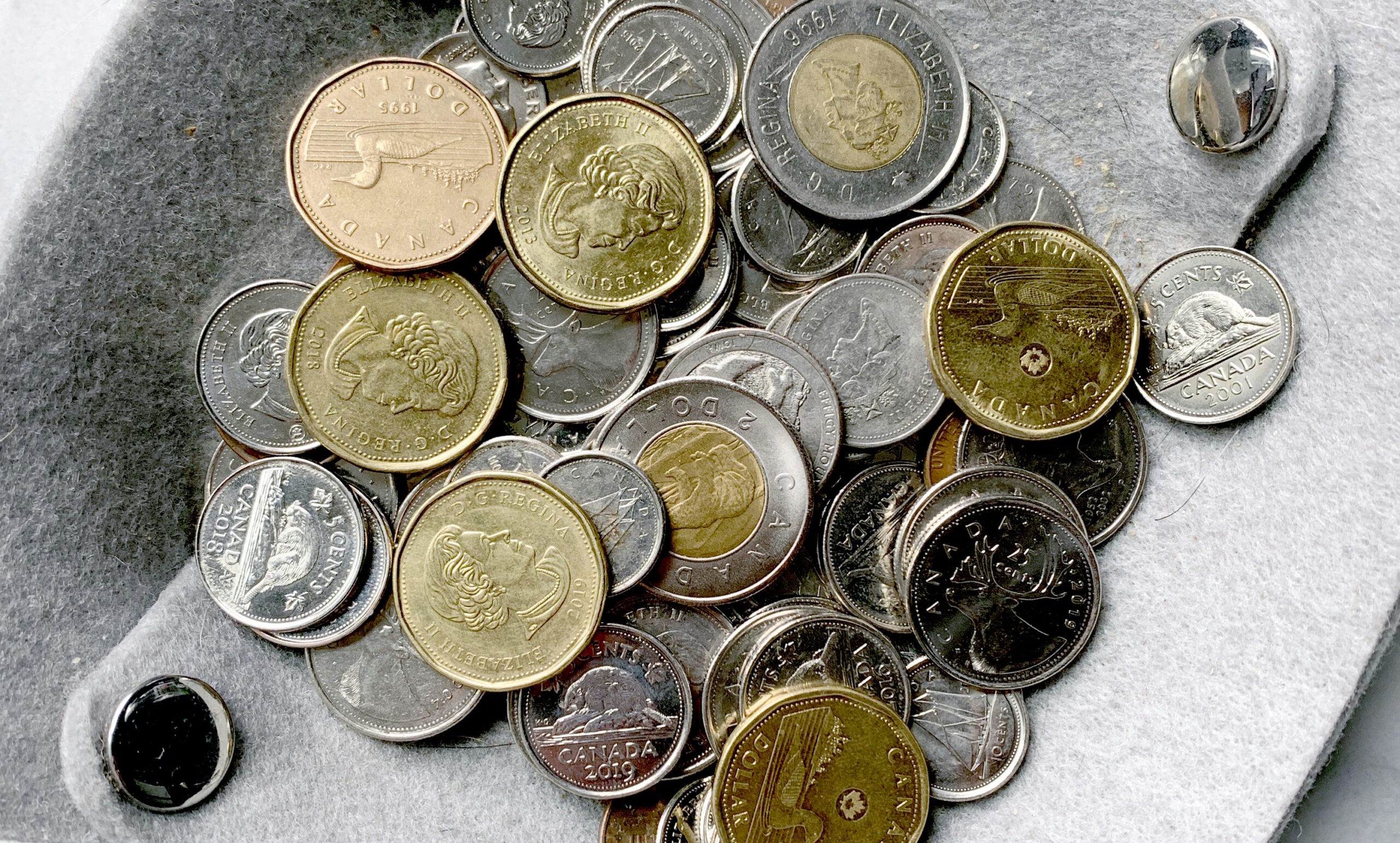
En tant que monnaie courante, un « loonie » vaut un dollar et un « toonie » en vaut deux. Cependant, certaines années de frappe, certaines marques d’atelier et certains exemplaires non mis en circulation ont une valeur de collection supérieure à leur valeur faciale, en particulier les pièces qui n’ont jamais été utilisées dans la vie quotidienne. Les pièces actuellement en circulation sont en acier et en nickel, et non en métal précieux. L’argent et l’or sont réservés aux collectionneurs et aux pièces d’investissement que la Monnaie royale canadienne produit séparément. Si vous avez hérité d’une collection de pièces ou trouvé d’anciennes pièces canadiennes dans un tiroir, certaines de ces pièces plus anciennes peuvent contenir une quantité réelle de métal précieux qui mérite d’être examinée.
La société sœur de Canada Gold, Pièces et billets canadiens, est justement spécialisé dans ce domaine. Si vous souhaitez savoir de quoi il s'agit, n'hésitez pas à nous l'apporter.
Joyeuse Fête du Canada !
Ces animaux se trouvent dans les poches des Canadiens depuis des décennies. On les retrouve dans des tirelires, dans des bocaux posés sur les plans de travail de la cuisine, au fond de vieux sacs à main. Ils nous sont tellement familiers que la plupart des gens ne les remarquent même plus.
Ce 1er juillet, jetez-y peut-être un coup d'œil.
Rendez-vous dans l'un de nos établissements partout au Canada, sans rendez-vous.