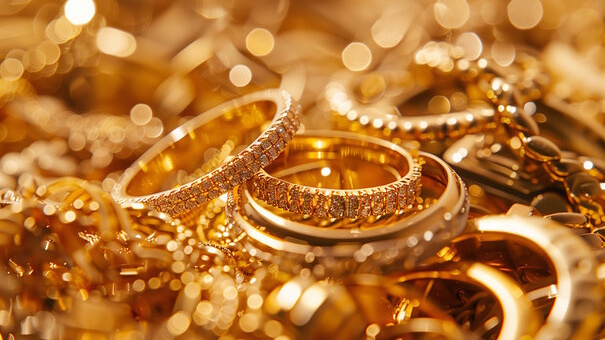
Many of us have items tucked away in a drawer or jewellery box that hold more than just monetary value. A ring from a grandparent, a bracelet from a special occasion, or an old chain that’s been passed down through the family can carry memories that are impossible to replace.
But what happens when that jewellery is no longer being worn? How do you decide whether to keep it or sell it?
If you’re sorting through inherited jewellery, old family treasures, or pieces you’ve simply held onto for years, it can help to divide everything into three simple categories.
Pile One: The Treasures You Could Never Replace
These are the pieces that mean more to you than any dollar amount ever could.
Maybe it’s your grandmother’s wedding ring, a necklace connected to a cherished memory, or a family heirloom that has been passed down for generations. These items have deep personal significance and aren’t something you’d consider selling.
Set these pieces aside and make sure they’re stored safely. Their value comes from the stories and memories attached to them.
Pile Two: The Pieces You’re Unsure About
This category is often the most difficult.
These items may have sentimental value, but they could also be worth a significant amount of money. Perhaps they’re inherited pieces that you appreciate but don’t wear, or jewellery that reminds you of a particular time in your life without being irreplaceable.
For pieces in this pile, the first step is simply finding out what they’re worth. Having them professionally evaluated gives you the information you need to make an informed decision. You may decide the sentimental value outweighs the financial value—or you may discover that selling makes sense for your current situation.
Either way, it’s a decision worth taking the time to consider carefully.
Pile Three: The Jewellery You’re Ready to Part With
This is the easiest pile to identify.
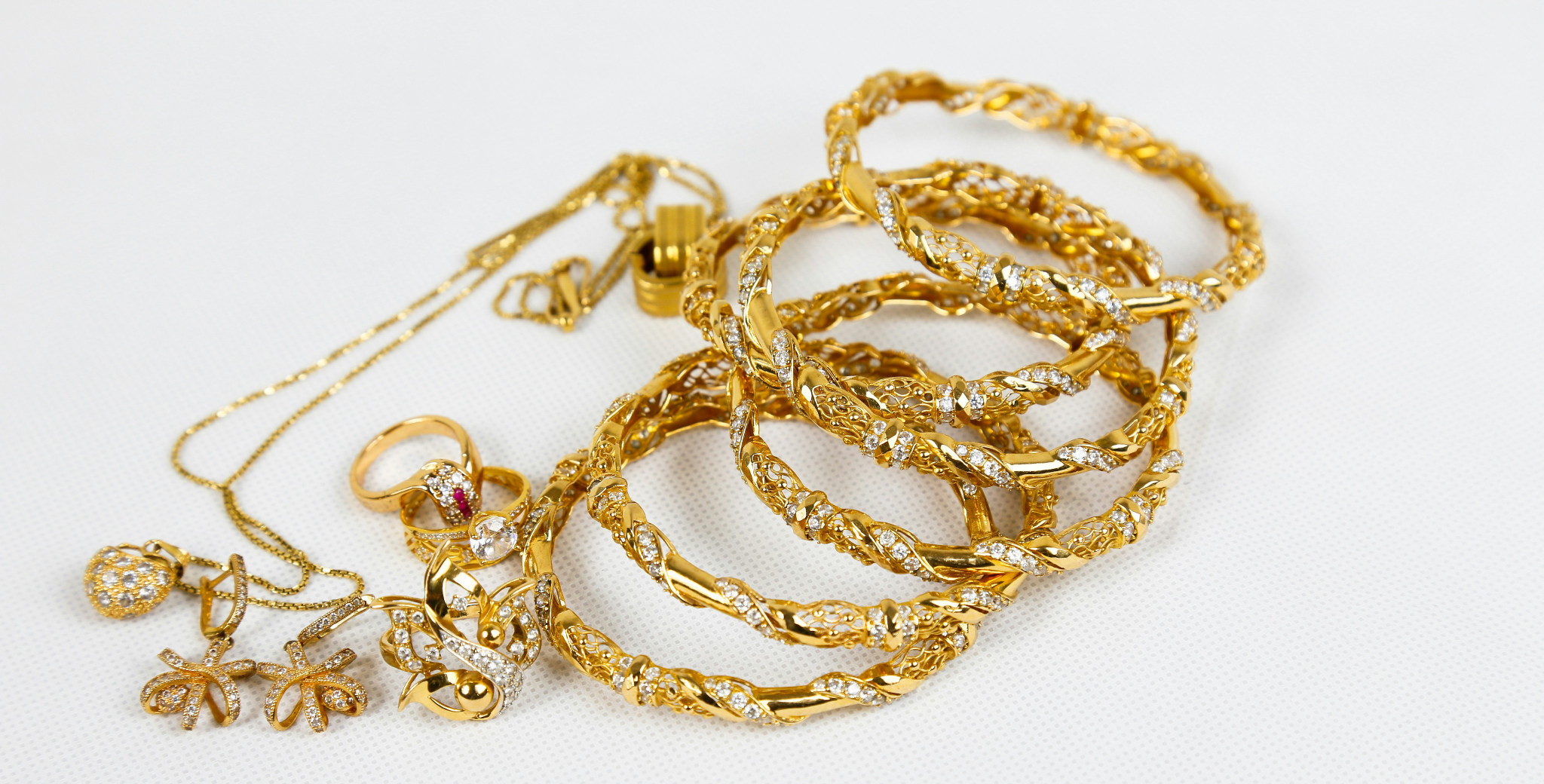
It’s the broken chain, the single earring missing its match, the outdated jewellery you haven’t worn in decades, or the pieces collecting dust at the back of a drawer.
Many people assume these items have little value because they’re damaged or out of style. In reality, older gold jewellery is often made with higher gold content and heavier materials than many modern pieces.
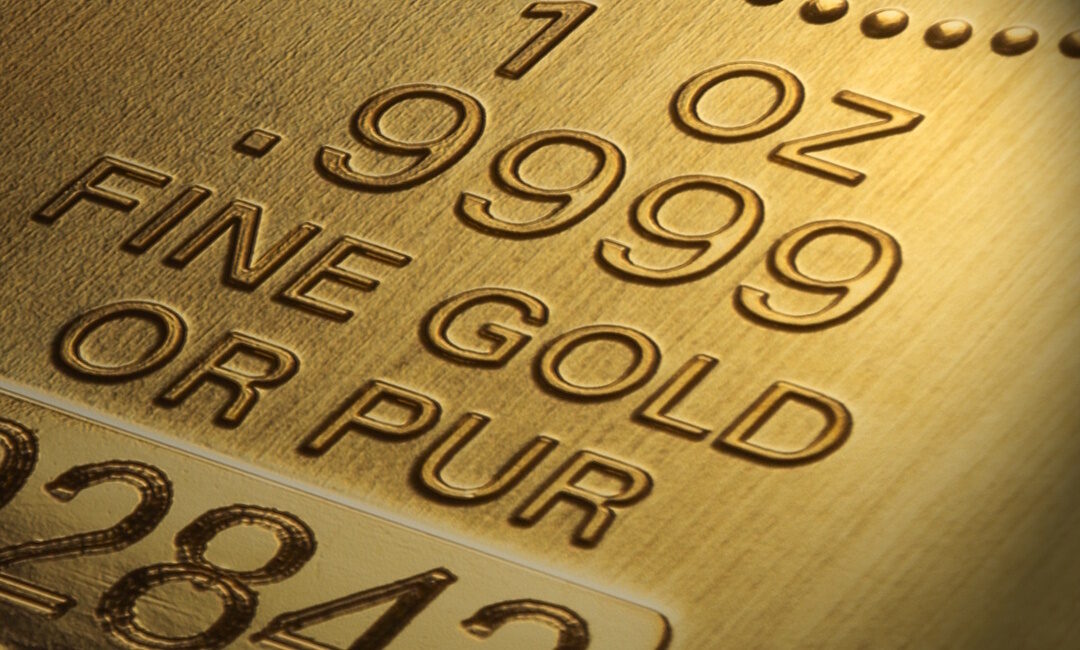
When selling gold, buyers are primarily interested in the precious metal itself—not whether the jewellery is fashionable or in perfect condition. That old, unwanted piece could be worth far more than you expect.
The Next Step
Once you’ve sorted your jewellery, bring the pieces from your second and third piles to your nearest Canada Gold location for a free evaluation.
If you’d like, you can have each pile assessed separately so you can compare their value and decide what, if anything, you’d like to sell. There is never any obligation to sell, and knowing the value of your items can make the decision much easier.
Sometimes the hardest part isn’t determining what your gold is worth—it’s deciding what those memories are worth to you.