When customers bring jewellery into a Canada Gold location, one of the most common questions we hear is:
“How do you know if this is real gold?”
Professional precious metal buyers rely on several different testing methods to evaluate jewellery safely and accurately. One of the most widely used techniques is the touchstone and nitric acid test, a method used by jewellers and gold buyers for centuries.
While modern tools like X-ray fluorescence (XRF) analyzers and density testing machines are also used in many stores, traditional testing methods still play an important role. When multiple testing methods are used together, they help create the most reliable results.
What Is a Touchstone Test?
The touchstone test is a traditional method used to help determine the purity of gold jewellery.
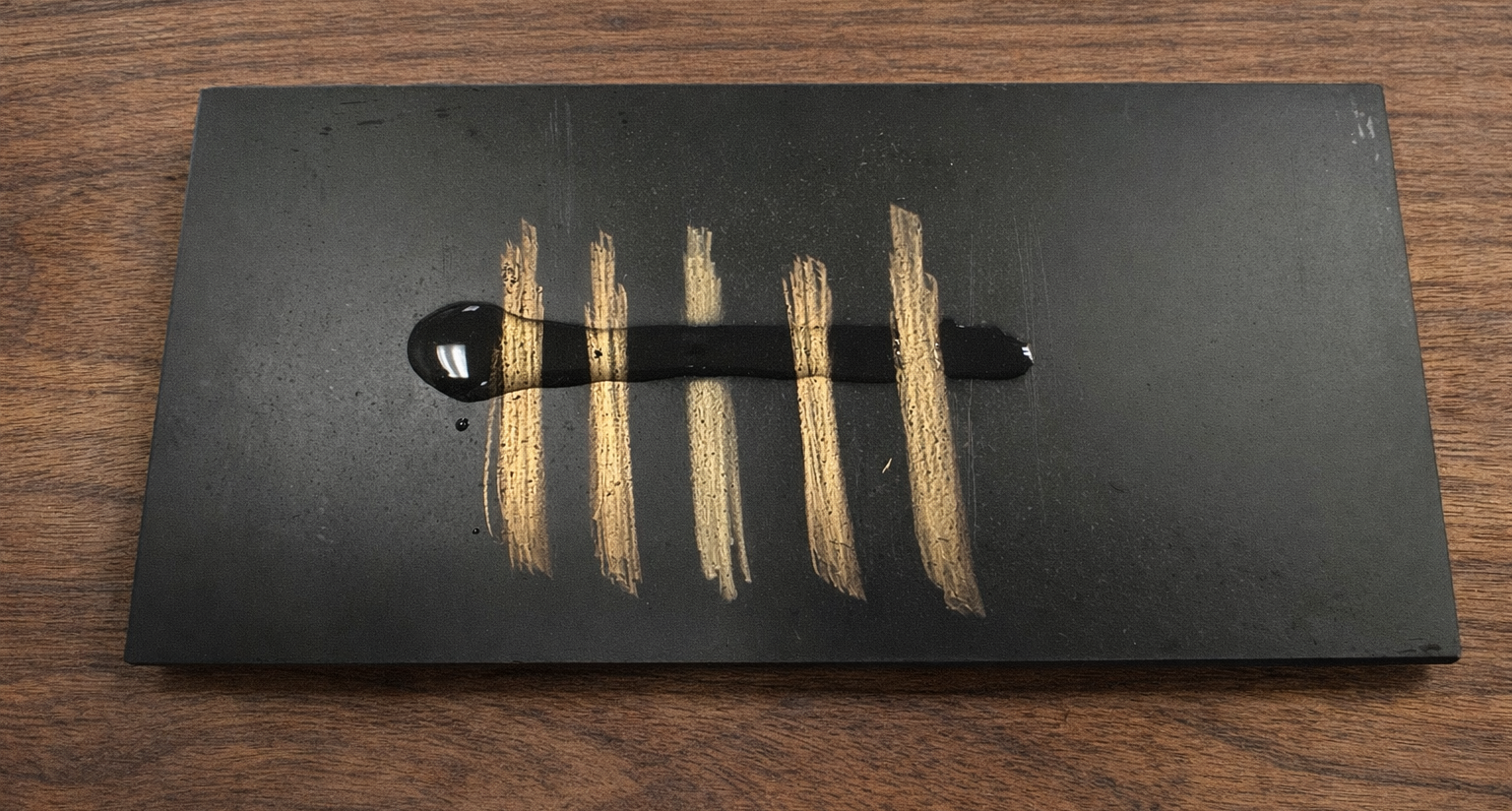
It involves gently rubbing a small portion of the metal against a dark testing stone called a touchstone. A touchstone is typically made from a fine-grained form of slate, which creates a visible streak of metal when an item is rubbed across the surface.
Once that streak is created, a small drop of nitric acid is applied. The way the metal reacts helps trained evaluators identify whether the item is gold and estimate its purity.
Because the test only uses a tiny streak of metal on the stone, the jewellery itself is not damaged during the process.
Why Nitric Acid Is Used
Nitric acid reacts strongly with many common metals such as copper, brass and nickel. Gold behaves differently.
Pure gold is highly resistant to nitric acid, while lower karat gold alloys may react depending on how much non-gold metal they contain.
To make testing more precise, jewellers often use different concentrations of nitric acid designed to react with specific karat levels of gold. By observing how a streak reacts to different acid strengths, experienced evaluators can estimate whether a piece is lower-karat gold, higher-purity gold, or another metal entirely.
This step is often used alongside other testing methods to confirm results.
Why Multiple Testing Methods Are Used
No single testing method tells the whole story.
That’s why professional evaluations often combine several techniques.
At Canada Gold locations, staff may use tools such as:
- Calibrated precision scales
- Specific gravity testing equipment
- XRF analyzers
- Traditional touchstone and acid testing
Different tools are useful for different types of items for example, density testing works very well for solid coins and bars, while jewellery can sometimes require additional testing methods because of hollow sections, clasps, or layered construction.
Using multiple methods together helps confirm results and ensure customers receive accurate evaluations.
What Happens During an In-Store Evaluation
If you bring jewellery or precious metal items into a Canada Gold store, the evaluation process is straightforward and transparent.
Most assessments include:
Initial metal testing
We begin with a strong magnet to identify magnetic metals. Since gold and silver are not magnetic, this helps quickly rule out items that are unlikely to be precious metals.
Visual inspection
Our team looks for hallmarks, stamps and identifying features that may indicate metal content.
Metal testing
Depending on the piece, staff may use acid testing, density testing or XRF analysis to confirm metal purity.
Weighing the item
Items are weighed using calibrated high-precision scales.
Market pricing
Once the metal content is confirmed, the value is calculated based on the current precious metals market.
Using multiple testing methods allows trained staff to verify results and provide customers with a fair and accurate evaluation.
Does the Test Damage Jewellery?
This is a common concern for customers bringing in sentimental pieces.
Touchstone testing does not damage the jewellery itself. The streak used for testing comes from a microscopic layer of metal rubbed onto the testing stone. The process does not affect the structure, appearance or wearability of the item.
For very soft or high-karat gold pieces, evaluators take extra care when performing tests, but the process remains safe and standard within the jewellery industry.
Why Proper Testing Matters
Many jewellery pieces look similar on the surface but can contain very different metals.
Items that appear to be solid gold may sometimes be:
- Gold-plated jewellery
- Gold-filled pieces
- Lower-karat gold alloys
- Base metals with a gold-coloured finish
Professional testing ensures that the true metal content is identified before any value is determined. This protects both buyers and sellers and helps ensure customers receive accurate information about their pieces.
Curious What Your Jewellery Might Be Worth?
If you have gold jewellery and are wondering what it might be worth, a professional evaluation is the best place to start.
The team at Canada Gold provides free, no-obligation jewellery evaluations, and we are always happy to explain the process along the way.
Visit your nearest Canada Gold location to learn more about how precious metals are tested and what your items may be worth.