When most people think of gold, they picture a traditional yellow, glowing colour. While this is not untrue, the evolution of fashion and jewellery trends have opened a market for this precious metal to be tailored for unique compositions, properties and aesthetic appeal. From sophisticated white to fashionable rose and even dramatic black, gold’s spectrum of colour is significantly broader than its bright yellow reputation suggests. This array in colouring is achieved through the process of alloying, which involves mixing pure gold with other metals to manipulate its colour, enhance its durability, and influence its final cost.
The Three Standard Gold Colours
The resulting colour of gold is entirely dependent on the specific metals introduced into the alloy and their respective proportions.
1. Classic Yellow Gold
This is the quintessential image of gold. Its rich, warm colouration is achieved by blending pure gold with specific amounts of silver and copper. It is a traditional, recognizable, and timeless metal.
- Composition: Gold + Silver + Copper (the higher the karat, the lower the amount of silver and copper)
- Characteristics: Hypoallergenic (particularly at higher karats), high lustre, requires only periodic cleaning and polishing.
- Ideal For:
Engagement rings and wedding jewellery, investment pieces, heirloom pieces, cultural adornments, etc.
2. White Gold
White gold is a popular substitute for the more expensive platinum. Its colouring is created by alloying various white metals such as zinc, silver, palladium and nickel, before being plated by rhodium to enhance the whiteness and shine.
- Composition: Gold + Palladium (or Nickel) + Silver + Zinc
- Characteristics: Hypoallergenic at higher karats – can cause allergic reactions at lower karat levels due to the added nickel content, high lustre, and requires periodic cleaning and polishing to maintain its rhodium-plated exterior.
- Ideal For: Diamond settings (as it compliments the natural radiance of the stone) and modern jewellery designs, as its high nickel content makes it more suitable for everyday wear.
3. Rose Gold
Rose gold (also referenced as pink or red gold) has become more popular over the years, as it’s romantic, blushy tones make it perfect for accenting jewellery pieces or engagement rings. Its rosey tone results from a generous incorporation of copper into the alloy. A higher copper content yields a deeper, more reddish colour.
- Composition: Gold + Copper + Silver
- Characteristics: More durable than its other colour-counterparts due to the high copper content, possesses a vintage aesthetic, and exhibits excellent resistance to wear.
- Ideal For: Wedding and engagement rings, timepieces, and mixed-metal jewellery designs.
Selecting the Appropriate Gold
When making a jewellery selection, it is advisable to consider practicality in addition to aesthetics.
- White Gold: Requires routine maintenance (rhodium re-plating), remove before applying lotions, moisturizers or using harsh chemical products.
- Rose Gold: Regarded as the most durable option (owing to its copper content), requires gentle cloth polishing to restore lustre.
- Yellow Gold: Avoid exposure to harsh chemicals and chlorine.
At the end of the day, selecting the colour that appeals most to the individual, complements their aesthetic and can sustain the desired usage should all be considered. Your jewellery should be a valued piece that is a reflection of you.
Looking for affordable jewellery? Check out the selection offered by our sister company 100 Ways Jewellery.
Curious about what your gold jewellery is worth? Canada Gold buys all colours of gold. You can see our live prices here, or visit your local Canada Gold location for more information.
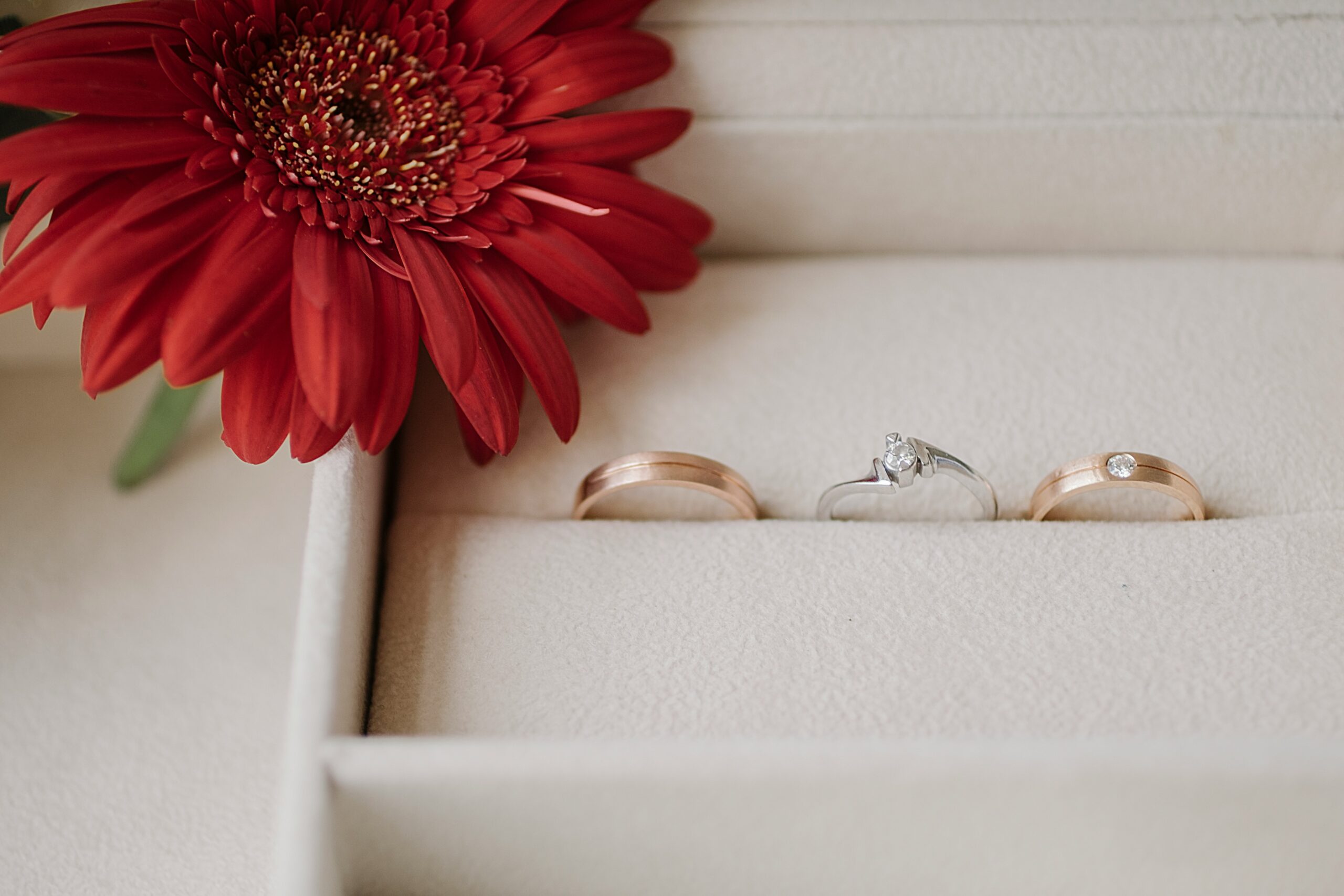
Photo Courtesy of Febrian Zakaria