When planning to sell a collection of Canadian coins or paper money, understanding the key dates and significant varieties is absolutely crucial. Key dates are the specific years or issues that are much rarer than the majority of coins or notes, often due to limited mintages, unique design variations, or historical factors that make them scarce. These rarities can command substantially higher prices compared to more common issues — sometimes hundreds or even thousands of times more than their face value or metal content. Recognizing these key dates before selling can mean the difference between receiving a fair market value and unintentionally underselling a rare piece. For collectors and sellers alike, key dates provide a roadmap for identifying the most valuable items in a collection, prioritizing what to research, and presenting a well-organized lot to potential buyers. Even within the same series, a single year or small design detail can transform an otherwise ordinary coin or note into a highly sought-after collectible, making knowledge of key dates essential for maximizing return and avoiding costly mistakes.
Why Key Dates Matter
A coin or note minted in one year might only be worth its metal content or face value, while the very next year could hold a rarity worth thousands. That difference often comes down to how many were minted, design details, or even a minor change like a mint mark or subtle variety. Understanding key dates ensures that sellers are aware of the most valuable pieces in their collection and can make informed decisions about appraisal, grading, and sale. Without this knowledge, valuable coins or notes might be undervalued, while common pieces could be mistakenly prioritized.
Key Dates to Watch for: Canadian Coins
Silver Dollars
- The most sought-after examples tend to come from the 1935–1967 series (when dollars were still made of .800 silver), especially early issues or coins in exceptional condition.
10 Cent Coins
- 1945: approx. $100 to $500+
- 1947 with Maple Leaf: $150 to $500+
- 1948: $600 to $1,500+
These examples show how particular years and markings, such as the tiny maple leaf symbol, can dramatically increase a coin’s value.
5 Cent Coins
- 1870 “No LCW” variety: $500 to $10,000+
- 1890H: $1,000 to $25,000+
- 1905: $50 to $5,000+
- 1921: $25,000 to $100,000+
- 1948: $50 to $200+
The vast variability in value shows how condition and rarity combine to set market demand.
1 Cent Coins
- 1875H: $150 to $5,000+
- 1885: $50 to $2,000+
- 1889: $75 to $3,000+
- 1906 “Small Crown” variety: $1,000 to $15,000+
- 1936 “Dot” variety: $20 to $1,000+
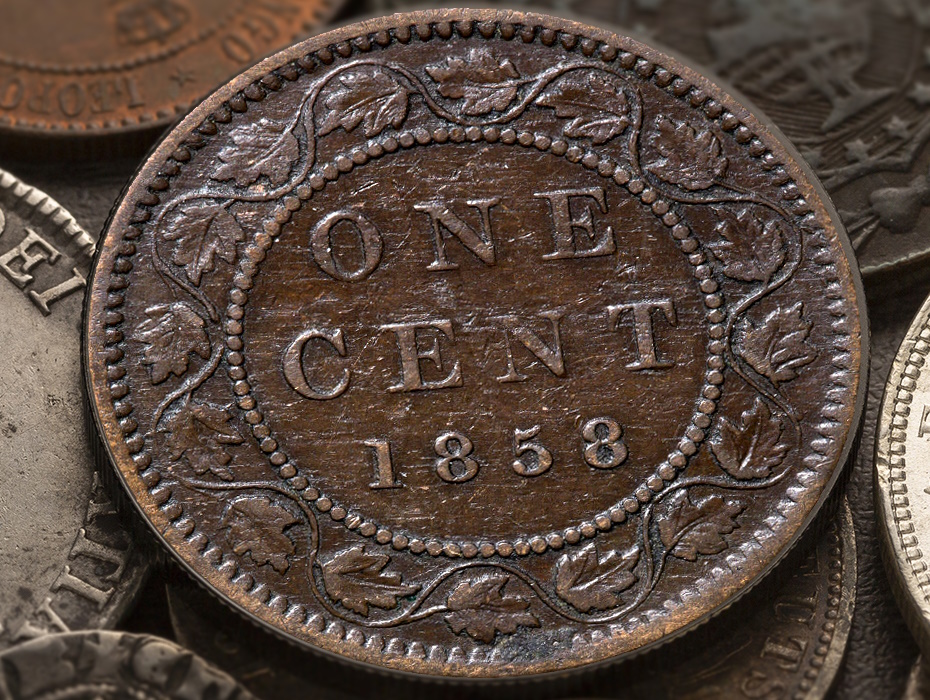
- 1858: $25 to $1,000+
- 1891 “Small Leaves Small Date”: $40 to $500+
- 1922: $10 to $500+
- 1923: $20 to $700+
Design varieties like the “small crown” or “dot” version can drastically increase value, making careful inspection of details essential.
Key Dates to Watch for: Canadian Paper Money
Dominion of Canada Notes
- $1 note – 1866: $1,000 to $10,000+
- $2 note – 1866: $1,500 to $18,000
- $4 note – 1900/1902: $250 to $15,000+
- $100 note – 1911: $50,000 to $200,000+
1935 Bank of Canada Notes
- $20 Note: $250 to $10,000+
- $25 Note: $700 to $20,000+
- $50 Note: $800 to $20,000+
- $100 Note: $500 to $20,000+
- $500 Note: $30,000 to $200,000+
1937 Notes with Special Signatures
- $50 and $100 notes: $300 to $5,000+
1954 Series (“Devil’s Face” Variety)
Certain early 1954 banknotes include an engraving quirk that appears to show a face in the Queen’s hair. These can be worth up to $10,000+, especially in high-grade examples.
How to Use This Information
- Sort your collection by denomination and date — use the key dates above to identify higher-value pieces.
- Check condition closely — even a rare date in poor shape may carry reduced value, while high-grade examples can multiply in price.
- Know your varieties — small design details can make a big difference. Look for dots, maple leaves, crowns, or replacement symbols.
- Consider third-party grading — certification often helps high-value items achieve their full market potential.
- Work with an expert — especially when you think you may have a key date, a trusted buyer or dealer can help ensure you’re paid accordingly.
Final Thoughts
Not all old coins or bills are valuable – but some are worth a fortune if you know what to look for. The right date, tiny design variation, or preserved condition could turn something long-overlooked into a major discovery. Whether you’re sorting through a family estate or reviewing your own decades-old stash, taking the time to inspect the dates and varieties could make all the difference.